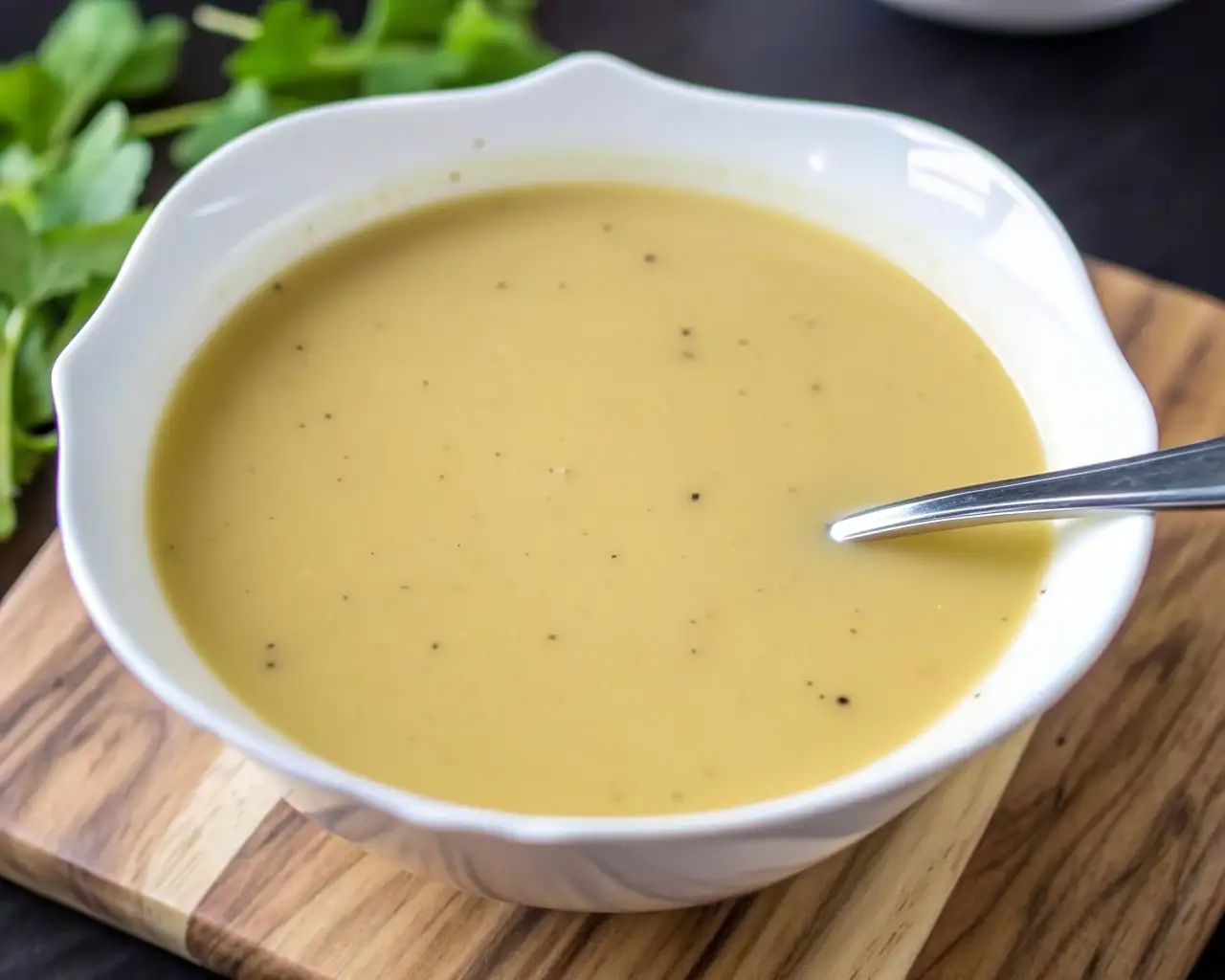
Foolproof Holiday Turkey Gravy: Easy Steps for Deep Flavor
The holiday feast, with its golden-brown turkey, fluffy mashed potatoes, and savory stuffing, truly reaches its crescendo with the arrival of the gravy boat. Far from being a mere accompaniment, the perfect gravy is the unifying element, a rich, velvety sauce that elevates every component on the plate. If you’ve ever yearned for that deep, complex flavor found in restaurant-quality gravies, but felt intimidated by the process, you’re in the right place. This guide will walk you through creating the
best holiday turkey gravy – a truly foolproof version that promises deep flavor and a perfectly smooth texture, transforming your holiday meal into an unforgettable culinary experience.
Many believe that exceptional gravy is born from complicated secrets, but the truth is simpler: it’s about understanding fundamental techniques, patience, and maximizing flavor from readily available ingredients, particularly your roasted turkey’s delicious drippings. Professional chefs know that the secret to a gravy that lingers in memory begins hours before it even touches the table. By taking a few extra steps early on, you build layers of flavor that result in a sauce far superior to any last-minute concoction. Let's embark on this delicious journey to master the art of the perfect turkey gravy.
The Foundation of Flavor: Why Early Preparation Matters
The journey to the
best holiday turkey gravy begins long before your turkey emerges from the oven. A deeply flavorful broth base is the bedrock of any outstanding gravy, and starting this early allows for maximum flavor extraction. Don't underestimate the power of these preliminary steps; they are the true difference-makers.
To create this essential foundation, you'll need a few key ingredients:
* 2 tablespoons unsalted butter
* 1 sliced onion (or 2-3 shallots or 1 small leek, white and light green parts only)
* Turkey neck and giblets (excluding the liver, which can impart a bitter taste)
* 8 cups low-sodium chicken broth (or turkey broth, if available)
* Sprigs of fresh herbs (such as thyme, sage, rosemary)
* 1 bay leaf
Here’s how to build your flavorful broth:
1.
Begin when your turkey goes into the oven. Melt the unsalted butter in a large saucepan over medium-low heat. The gentle heat is key here; we want to brown, not burn.
2. Add the sliced onion, turkey neck, and giblets (heart and gizzard) to the pan. Cook, stirring occasionally, for about 15 minutes. The goal is for the giblets and neck to develop a rich, golden-brown crust. This browning process, known as the
Maillard reaction, creates hundreds of new flavor compounds, laying a crucial savory groundwork for your gravy.
3. Pour in the 8 cups of low-sodium chicken broth. Using low-sodium broth is important because it gives you complete control over the final seasoning of your gravy. Add your fresh herb sprigs and the bay leaf.
4. Cover the saucepan and allow the broth to simmer gently while your turkey roasts, typically for about 2 hours. This slow simmer extracts every ounce of flavor from the turkey parts and aromatics, enriching the broth with gelatin and savory depth.
5. Once simmered, strain the broth through a fine-mesh sieve into a clean bowl or container. Press down on the solids to extract any remaining liquid. Discard the spent solids, though you can reserve the finely chopped neck meat and giblets if you like to add textural interest to your finished gravy. Keep this golden broth warm; it's liquid gold for your gravy.
Capturing Gold: Maximizing Flavor from Turkey Drippings
While your foundational broth is simmering, your roasting turkey is performing its own magic, creating the next vital layer of flavor: the pan drippings. These drippings are concentrated flavor gold, infused with the essence of your seasoned turkey, rendered fat, and caramelized sugars.
Once your turkey is beautifully roasted and removed from the oven:
1.
Rest the Turkey: Transfer the cooked turkey to a large cutting board or platter to rest. This allows the juices to redistribute throughout the meat, ensuring a tender, moist bird.
2.
Collect the Drippings: Carefully pour all the pan drippings from the roasting pan into a fat separator or a heatproof measuring cup. A fat separator is an invaluable tool here, designed to easily separate the rich, flavorful juices from the excess fat.
3.
Deglaze the Pan: The browned bits stuck to the bottom of the roasting pan, known as
fond, are intensely flavorful. Pour about 1/2 cup of your prepared broth into the empty roasting pan. Place the pan over two stovetop burners set to medium-low heat. Using a wooden spoon or spatula, scrape up all the browned bits from the bottom and sides of the pan. If the bits are stubborn, allow the liquid to simmer gently for a minute or two to help loosen them. This process of deglazing extracts every last bit of concentrated flavor.
4.
Combine and Separate: Add this flavorful deglazing liquid and scraped fond to your drippings in the fat separator. Let it sit for a few minutes to allow the fat to rise to the top. The clear, savory liquid at the bottom is pure turkey essence.
The Secret to Smoothness: Mastering the Roux
A truly exceptional gravy isn’t just about flavor; it's also about texture. A smooth, lump-free consistency is paramount, and the key to achieving this lies in mastering the roux. A roux, a mixture of cooked fat and flour, serves as both a thickener and a flavor enhancer, eliminating the raw flour taste while adding a subtle nuttiness.
Here's how to create the perfect roux for your
best holiday turkey gravy:
1.
Prepare the Fat: Once the fat has clearly separated from the drippings in your fat separator, carefully spoon off 1/2 cup of the clear, rendered turkey fat into a large, sturdy saucepan set over medium heat. This turkey fat is superior to butter for roux in this context, as it carries the turkey’s flavor.
2.
Add the Flour: Once the fat is shimmering, gradually sprinkle 1/2 cup of all-purpose flour into the hot fat. Do this slowly while continuously whisking or stirring with a wooden spoon. This gradual addition and constant agitation are crucial for preventing lumps.
3.
Cook the Roux: Continue cooking and stirring the mixture constantly. The roux will initially look pasty, but as you cook it, the flour will absorb the fat and begin to toast. Cook the roux until it turns a light golden-brown color, which usually takes about 3-5 minutes. This process is essential: it cooks out the raw flour taste and deepens the overall flavor of your gravy. For turkey gravy, a lighter roux is generally preferred to maintain the gravy's natural, delicate color and flavor profile.
Bringing It All Together: From Broth to the Best Holiday Turkey Gravy
With your flavorful broth warmed, your deglazed drippings ready, and your perfectly cooked roux in the saucepan, it's time for the grand finale – bringing all these elements together to create the
best holiday turkey gravy. This is where the magic happens, and your patience pays off.
1.
Whisk in the Liquids: Slowly begin to whisk the reserved, warm turkey broth and the defatted, deglazed pan drippings into your roux, a little at a time. Continuous whisking is key here to ensure a smooth, lump-free gravy. Start with about a cup, whisk vigorously until smooth, then add more, incorporating it fully before adding the next batch. The gravy will thicken as you add the liquid.
2.
Simmer to Perfection: Once all the liquid is incorporated, bring the gravy to a gentle simmer over medium-low heat, stirring frequently. Allow it to simmer for 5-10 minutes, or until it reaches your desired consistency. The gravy will continue to thicken slightly as it cools. If it becomes too thick, whisk in a little more warm broth or water. If it's too thin, let it simmer a bit longer, allowing some liquid to evaporate.
3.
Season and Taste: This is a crucial step. Taste your gravy. It might need a good amount of salt and freshly ground black pepper to bring out all the flavors. Adjust seasonings as necessary. For an extra layer of complexity, consider adding a splash of dry sherry or a touch of white wine at this stage and letting it simmer for another minute.
4.
Optional Straining and Additions: For an ultra-smooth gravy, you can strain it through a fine-mesh sieve one last time before serving. If you reserved the chopped turkey neck meat and giblets, stir them in now for added texture and richness.
5.
Serve Immediately: Keep your gravy warm until serving. Nothing beats hot, fresh gravy poured over everything! For truly restaurant-worthy results, explore guides like
Mastering Classic Turkey Gravy: From Drippings to Delicious, and for even more expert insights into achieving that perfect, velvety texture, dive into
The Chef's Secret to Rich, Smooth Holiday Turkey Gravy.
Crafting the
best holiday turkey gravy might seem like an involved process, but each step contributes significantly to the final, deeply satisfying flavor. By building a rich broth base early, meticulously collecting and deglazing your pan drippings, and mastering the simple art of the roux, you’ll achieve a velvety smooth, intensely flavorful gravy that will impress every guest at your holiday table. This isn't just gravy; it's the liquid gold that ties your entire festive meal together, a testament to thoughtful cooking and a celebration of flavor. This holiday season, armed with these foolproof steps, confidently pour the gravy that truly crowns your feast.