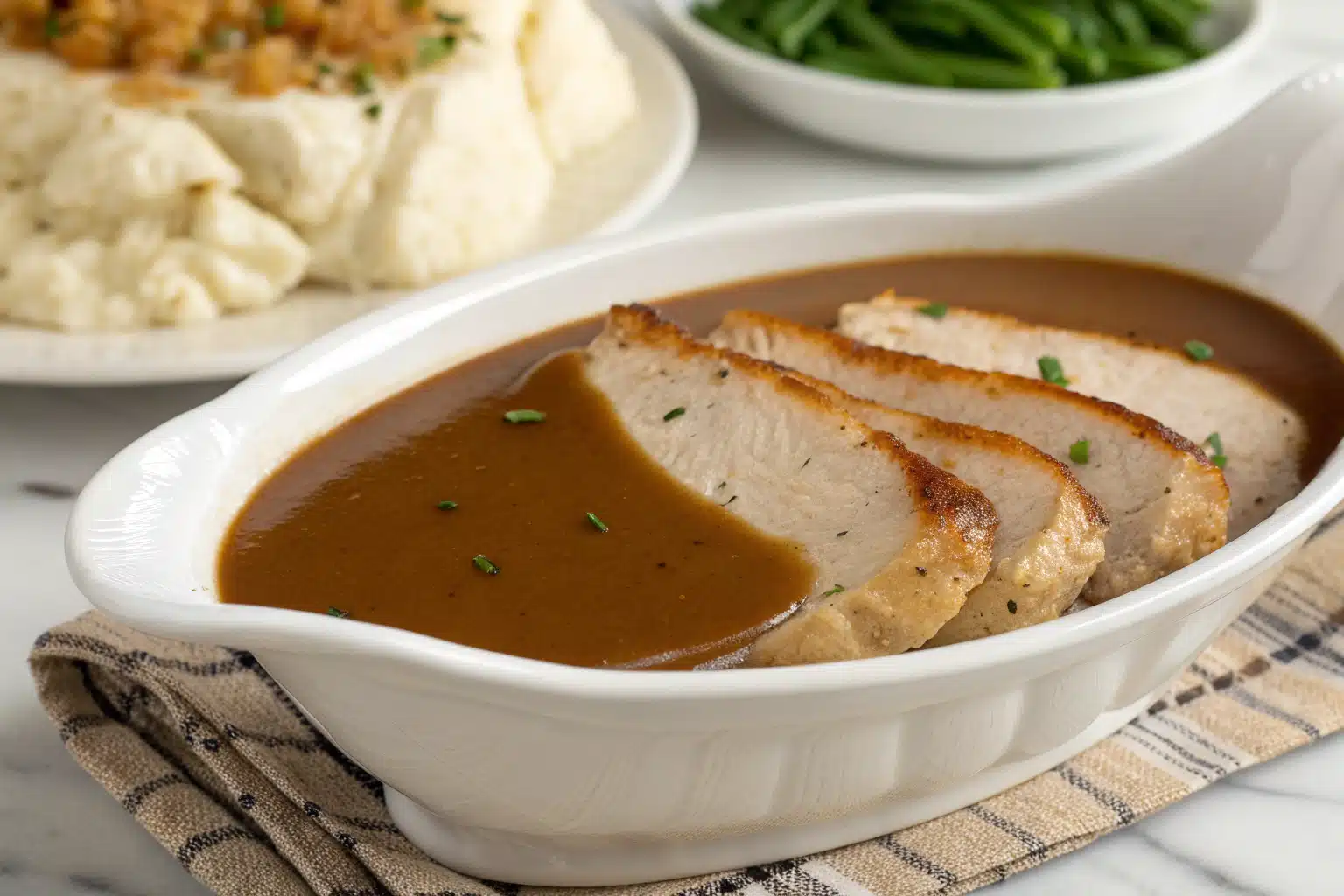
Mastering Classic Turkey Gravy: From Drippings to Delicious
There's a reason classic turkey gravy is often hailed as the crowning glory of any Thanksgiving or holiday feast. This rich, savory sauce isn't just an accompaniment; it's the element that ties together all the diverse components of your holiday meal, transforming roasted turkey, mashed potatoes, and stuffing into an extraordinary culinary experience. A perfectly executed, homemade gravy captures the very essence of your holiday cooking efforts, reflecting the care and flavor you've invested. When done right, it's undeniably the best holiday turkey gravy your guests will ever taste.
The journey from humble turkey drippings to truly great gravy involves more than just following a recipe; it's about understanding fundamental techniques that professional chefs employ. Developing deep, complex flavor starts long before the gravy is served. By building layers of flavor from the initial broth to the final simmer, you'll create a turkey gravy that lingers in the memory of your guests. The secret isn't exotic ingredients, but rather patience, attention to detail, and knowing how to extract maximum flavor from simple, high-quality components. Let's delve into how you can master this essential holiday classic.
The Foundation: Building a Flavorful Broth Base
Exceptional classic turkey gravy begins with an incredibly flavorful broth. This foundational step is crucial for developing the deep, savory profile that distinguishes truly outstanding gravy. Starting this process early, ideally when your turkey first goes into the oven, not only builds flavor but also streamlines your efforts later when kitchen chaos might be at its peak.
To begin, melt 2 tablespoons of unsalted butter in a large saucepan over medium-low heat. Add aromatic vegetables like sliced onion (or shallots/leeks), along with the turkey neck and giblets (excluding the liver, which can impart a bitter taste). Cook these, stirring occasionally, until the giblets are nicely browned – this caramelization is key to unlocking profound umami flavors, usually taking about 15 minutes. Once browned, pour in 8 cups of low-sodium chicken broth. Opting for low-sodium allows you complete control over the final seasoning of your gravy. Add a few sprigs of fresh herbs like thyme, rosemary, or sage, and a bay leaf for additional aromatic complexity. Cover the saucepan and let this mixture simmer gently for at least 2 hours while your turkey roasts. This slow extraction process allows all the flavors to meld beautifully. After simmering, strain the broth through a fine-mesh sieve, discarding the solids (though you can finely chop the neck meat and giblets to stir back into the finished gravy for added texture, if desired). Keep this rich, golden liquid warm; it's your flavor powerhouse.
Harvesting Liquid Gold: Maximizing Your Turkey Drippings
The roasted turkey drippings are arguably the most concentrated source of flavor for your classic turkey gravy. These precious liquids and caramelized bits, often referred to as 'fond,' are essential for creating the rich, authentic taste that sets homemade gravy apart. Knowing how to properly harvest and utilize them is a hallmark of the best holiday turkey gravy recipes.
Once your turkey is beautifully roasted and has been transferred to a cutting board to rest, it’s time to collect its flavorful bounty. Carefully pour all the pan drippings from the roasting pan into a fat separator or a large measuring cup. The fat will rise to the top, allowing you to easily skim it off later. Don't forget the caramelized bits stuck to the bottom of the pan! These browned particles are packed with intense flavor. Add about 1/2 cup of your prepared warm broth to the empty roasting pan and use a wooden spoon or spatula to vigorously scrape up all the browned bits (the fond). If they're particularly stubborn, you can place the roasting pan over low heat on the stovetop to help loosen them. This deglazing process is vital; it extracts every last drop of savory goodness. Add this flavorful liquid, including all the scraped bits, to your drippings in the fat separator. Allow the fat to separate completely, which might take a few minutes, before proceeding.
The Art of the Roux: Achieving Perfect Smoothness
A proper roux is the secret weapon for a smooth, lump-free, and perfectly thickened gravy. It not only provides the ideal consistency but also contributes a nutty depth of flavor that is irreplaceable. Mastering the roux is a fundamental step in crafting the best holiday turkey gravy.
Once your drippings have settled in the fat separator, carefully spoon off about 1/2 cup of the clear turkey fat from the top into a large saucepan over medium heat. This is the fat that will form the base of your roux. Gradually sprinkle 1/2 cup of all-purpose flour into the hot fat, continuously stirring with a wooden spoon or whisk to prevent lumps from forming. The key here is gradual addition and constant agitation. Continue cooking and stirring the roux for about 3-5 minutes, until it turns a light golden-brown color and smells slightly nutty. This cooking process is crucial; it eliminates the raw flour taste and allows the starches to swell, ensuring a smooth gravy. A lighter roux is ideal for turkey gravy as it thickens effectively without overpowering the delicate turkey flavor. For more expert advice on achieving that perfect smoothness, check out The Chef's Secret to Rich, Smooth Holiday Turkey Gravy.
Bringing It All Together: From Broth to the Best Holiday Turkey Gravy
With your flavorful broth prepared, drippings harvested, and roux perfected, it’s time for the grand finale: combining these elements to create your ultimate gravy. This stage requires a steady hand and careful attention to consistency and seasoning.
With your golden roux bubbling gently in the saucepan, it's time to incorporate your liquid. Gradually whisk in the prepared warm turkey broth and the defatted turkey drippings (the liquid from your fat separator, beneath the layer of fat). It's imperative to add the liquid slowly, in increments, while continuously whisking to prevent lumps. Initially, the mixture might seem thick and pasty, but as you add more liquid, it will smooth out beautifully. Bring the gravy to a simmer over medium heat, continuing to whisk gently. As it simmers, the gravy will thicken. Allow it to cook for about 5-10 minutes, or until it reaches your desired consistency – thick enough to coat the back of a spoon, but still pourable.
Now comes the most important part: tasting and seasoning. This is where your best holiday turkey gravy truly comes alive. Add salt and freshly ground black pepper to taste. Don't be shy; gravy often needs more seasoning than you might think. A tiny splash of fresh lemon juice or a dash of sherry can bright en the flavors and add a professional touch. If you reserved the finely chopped turkey neck meat or giblets, stir them in now for added texture. For those who enjoy a richer color, a very small amount of kitchen bouquet can be added, though naturally beautiful gravy should need little assistance. If your gravy is too thick, whisk in a little more warm broth or water. If it's too thin, let it simmer gently for a few more minutes to reduce, or make a quick slurry of a tablespoon of cornstarch mixed with an equal amount of cold water, and slowly whisk it into the simmering gravy until it thickens. For an even quicker approach without sacrificing flavor, our guide on Foolproof Holiday Turkey Gravy: Easy Steps for Deep Flavor offers excellent alternatives.
Conclusion: The Reward of Homemade Gravy
Mastering classic turkey gravy is a culinary triumph that elevates any holiday meal from memorable to truly unforgettable. By understanding the importance of a flavorful broth, effectively utilizing every drop of precious turkey drippings, and perfecting the art of the roux, you're not just making a sauce; you're crafting an experience. This isn't just gravy; it's the ultimate holiday turkey gravy, a testament to your patience and dedication in the kitchen. So this holiday season, embrace the process, trust the techniques, and savor the rich, velvety results that will undoubtedly become a cherished part of your family's festive traditions. Your guests will thank you, and every plate will be transformed.
